Gaming
The Digital Town Square: Why Inclusive Social Spaces are the Future of Online Connection

Have you ever noticed how the internet feels like it’s getting a bit smaller, even as it grows? It’s a strange phenomenon. We have more ways to connect than ever before, yet many of us find ourselves retreating into smaller, more curated corners of the web. The old-school idea of the “global village” hasn’t quite panned out the way we expected. Instead of one giant party, we’re looking for the digital equivalent of a cosy local pub where everyone knows our name.
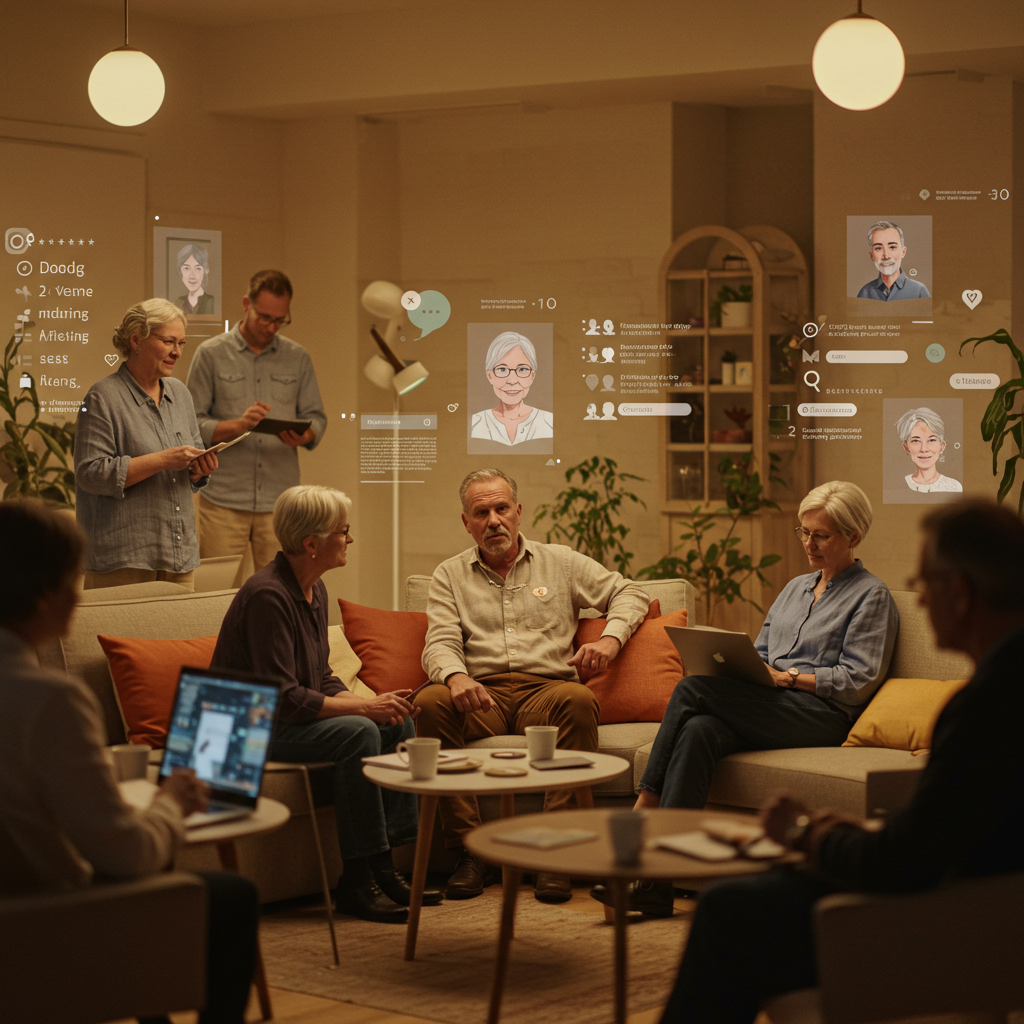
This shift isn’t just a fluke; it’s a response to how we’ve been living online for the last decade. We’re moving towards a “Digital Town Square” model, where inclusivity and genuine connection take precedence over anonymous shouting matches. It’s about creating spaces that feel safe, welcoming, and, most importantly, human.
The Psychology of Shared Play:
There’s a growing movement towards shared play that isn’t about beating the person next to you. It’s about being with them. This type of play focuses on the “we” rather than the “me.” It’s the difference between a high-stakes poker tournament where everyone is a rival and a local board game night where the game is just an excuse to have a chat. I find that the most resilient online communities are the ones built on these low-pressure foundations. When you remove the fear of “losing,” you open up the floor for conversation, laughter, and a sense of shared experience that high-octane games often miss.
Architecting Inclusivity: How Digital Spaces Foster a Sense of Belonging
If you want people to stick around, you have to build a space where they feel they belong. It sounds simple, but architecting inclusivity in a digital space is a bit of an art form. It’s not just about having a set of rules; it’s about the “vibe” of the place. Think about your favourite local coffee shop. Why do you go there instead of the one next door? It’s usually because of how the space makes you feel.
In the digital world, this sense of belonging is created through design choices that encourage positive interaction. It’s about having clear boundaries that protect users while also providing tools that help them express themselves. A truly inclusive space is one where a newcomer can walk in (or log in) and feel like they aren’t an outsider.
Many of us have entered an online forum or a game room only to feel like we’ve stepped into an inside joke we don’t understand. That’s a failure of architecture. The future of online connection lies in spaces that are designed to be intuitive and welcoming from the get-go. This might mean having “greeters” or moderators who are there to facilitate conversation, or simply designing an interface that doesn’t require a PhD to navigate. When a space is easy to use and friendly in tone, it naturally attracts a more diverse group of people. We’re seeing a shift away from “gamer-centric” designs towards more universal layouts that appeal to everyone, regardless of their tech-savviness.
The 2025 Casual Pivot: Why ‘Low-Stakes’ is the New ‘High-Reward’ in Social Gaming
We’ve reached a point where we’re prioritising our mental well-being over our kill-death ratios. This “casual pivot” is one of the most interesting trends of 2025. People are moving away from high-stress environments and looking for “low-stakes” activities that offer a high social reward. It’s all about the return on investment; not a financial one, but an emotional one.
If I spend an hour in a high-pressure shooter, I might come away with a victory, but I probably won’t have made any new friends. In fact, I might have been yelled at by a teenager on the other side of the world. However, if I spend that same hour in a more relaxed environment, I’m much more likely to have had a meaningful interaction.
A prime example of this evolution is the community-centric approach found in online bingo at Jackpotjoy. Here, the game itself is almost secondary to the social experience. The transition from esports to these low-barrier social games is quite telling. In these spaces, the chat rooms are the heart of the action. You’ll find people discussing everything from what they’re having for tea to the latest telly dramas, all while the game hums along in the background. It’s a low-pressure environment where the “barrier to entry” is practically non-existent. You don’t need expensive gear or years of practice; you just need to show up and be yourself. This accessibility is what makes it so rewarding. It’s gaming as a social lubricant, facilitating connection rather than acting as a source of stress.
Gamification for Social Wellbeing: The Longevity of Traditional Group Formats
There’s a reason why certain games have been around for centuries. Bingo, pub quizzes, and card games have a staying power that most modern “blockbuster” games can only dream of. Why? Because they are fundamentally built for groups. They are social rituals as much as they are games.
When we bring these traditional formats into the digital age, we’re doing more than just digitising a hobby; we’re preserving a way of connecting. One of the most significant benefits of this is how it helps mitigate urban loneliness. You could be living in the middle of a bustling city like London or Manchester and still feel completely isolated. It’s a modern paradox.
The inclusion of interactive social features in digital bingo rooms helps bridge this gap by fostering “micro-communities” within a broader platform. You start to recognise the same usernames week after week. You know that ‘Sally72’ is currently renovating her kitchen and that ‘BlueBird’ has just got a new puppy. These small, seemingly insignificant details are the building blocks of a community. They create a sense of continuity and belonging that is often missing from our day-to-day lives in the physical world. For many, these rooms are a vital social lifeline, providing a regular “appointment” with friends they might never have met in person.
Future-Proofing Connection: The Role of AI and Interactive Moderation
As we look ahead, the challenge is how to keep these spaces safe and welcoming as they grow. This is where technology, specifically AI, is starting to play a more constructive role. Gone are the days when moderation was just about banning people for saying bad words. The future of moderation is much more interactive and proactive.
We’re seeing the development of AI tools that can detect “vibe shifts” in a room—identifying when a conversation is becoming exclusionary or aggressive before it escalates. But it’s not just about policing; it’s about facilitation. Imagine an AI “host” that can suggest conversation topics or introduce new members to a group based on shared interests.
The goal isn’t to replace human interaction with bots, but to use technology to create a safer “garden” for human connection to flourish. When people feel safe, they are more likely to be vulnerable and authentic. By using smart moderation to keep the trolls at bay and the tone light, platforms can ensure that their communities remain inclusive for the long haul. It’s about future-proofing the town square, ensuring it remains a place where everyone feels they have a seat at the table.
Final Thoughts
The way we connect online is changing, and I think it’s for the better. We’re moving away from the loud, crowded, and often stressful spaces of the early internet and towards something more intentional and inclusive. Whether it’s through a shared game or a quiet chat room, we’re all just looking for a place where we belong.
The digital town square isn’t just a concept; it’s a necessity for our modern social wellbeing. By choosing low-stakes, high-reward environments, we can reclaim our online time and turn it into something that actually nourishes us. After all, the best part of being online isn’t the technology itself—it’s the people we meet along the way.
***
Please gamble responsibly. 18+ only. For more information and support, visit begambleaware.org.